

From Kyoto to the World — And Back to My Questions
A little about this space
I was born in 1960 into a small family workshop in Kyoto where kimono fabrics were made by hand. The faint scent of raw silk, the soft rustle of cloth, the assured movements of artisans at work— such quiet traces of craftsmanship were part of my everyday surroundings, though I never regarded them as “culture” at the time. In my youth, I was drawn instead to the affluence of Western consumer society and the elegance of its marketing logic. Joining a major department store after university, and later seeking an overseas post in London and Paris, felt only natural along that trajectory. Yet distance has a way of clarifying what proximity obscures. Looking back, I now see how much I could recognize only by stepping away. As I worked in Europe, a question lingered persistently at the back of my mind: Why is it that Japan possesses such remarkable craftsmanship, yet so much of it remains little known in the world? The skill, the beauty, the refinement are by no means inferior— so why does it struggle to be recognized as a “brand,” as Europe so readily achieves?
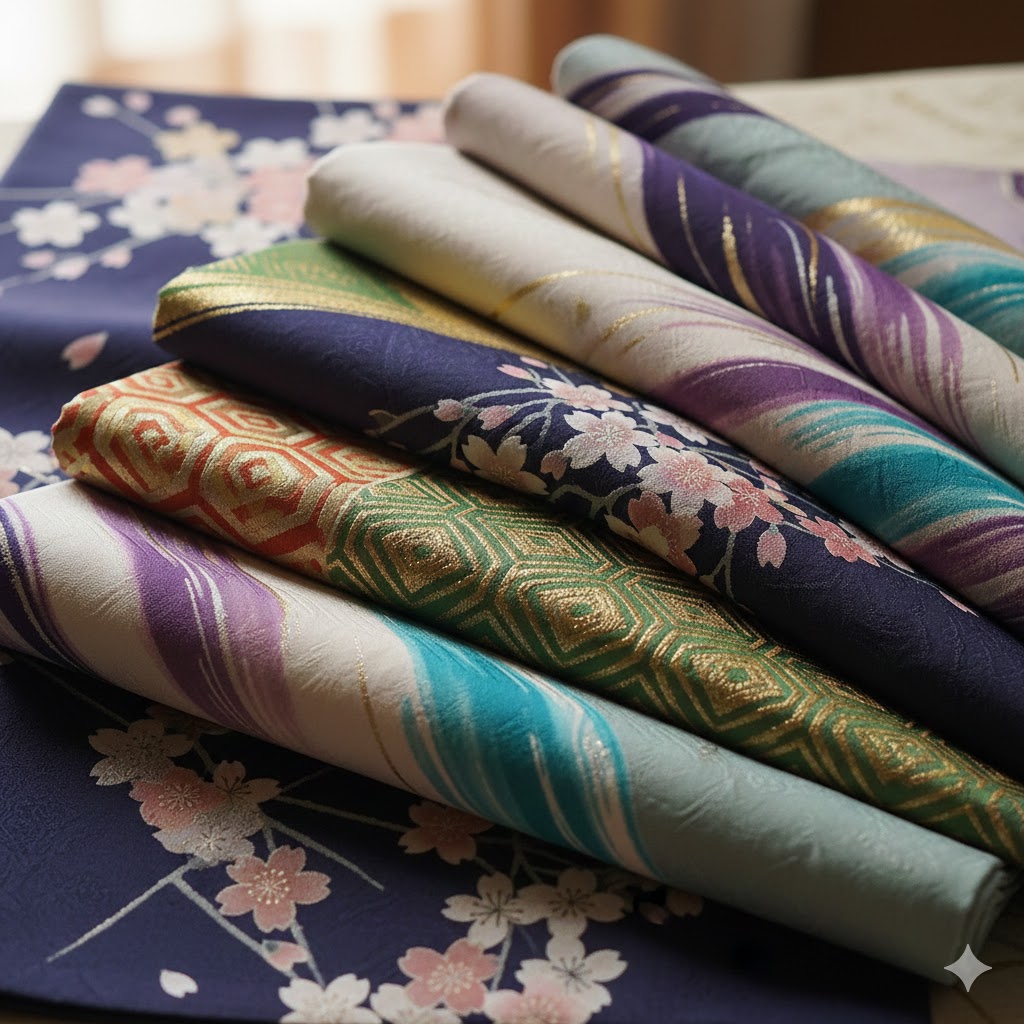

In time, another thought began to take shape: Perhaps Japan’s sense of value lies less in what is produced than in how something is made, and in the long maturation that occurs through time. Japanese craft, after all, acquires its beauty not at the moment of purchase, but as it is used, worn, mended, and allowed to live alongside its owner. Its value resides on an axis entirely different from that of industrial goods, whose merit is judged by performance at the point of sale. This contrast seems to echo the cultural processes by which consensus forms. In Japan, agreement often arises quietly—through atmosphere, through unspoken understanding. In Europe, clarity is constructed through discussion and definition. Neither is better or worse; they simply generate value in different ways. Broadening the lens further, I began to notice a similar “natural blending” within the Japanese approach to religion. One may visit a Shinto shrine as an infant, attend Christian services at school, celebrate Christmas and Halloween as seasonal customs, and be farewelled in a Buddhist ceremony at life’s end. To some, this appears inconsistent; yet the same society displays remarkable composure in times of disaster and a deep reluctance to inconvenience others. This layered, interwoven sensibility seems inseparable from the way Japanese craft and culture take shape— rooted in what cannot be seen, what is left unsaid, and what is entrusted to time.

This blog is not an attempt to praise Japan, nor to critique religion or ideology. It is simply a space where someone who grew up in Kyoto, spent years working in Europe, and has observed the luxury industry for more than twenty-five years can share a long-held, uncomplicated question: Why do the quiet qualities of Japanese craftsmanship struggle to reach the world? I hope to consider this gently together with you— not as a thesis, but as a relaxed conversation. If you feel your shoulders drop even slightly while reading, then that alone will make me glad.