Skip carousel

Traces of the Invisible

– In the Making, In the Maturing, In the Living –

PROLOGUE

The Invisible shapes how we perceive beauty.

A gesture, an atmosphere, a quiet trace left by time.
subtle elements that form the soul of Japan’s culture, climate, and customs.
Here, we explore how things are made, how they mature,
and how they come alive through the lives they accompany.
Kyoto, Japan • Est. 2025
From Kyoto to the World — And Back to My Questions
Featured Page
Featured Page Vol. I • 2025

From Kyoto to the World — And Back to My Questions

A Personal Reflection on Craft, Culture, and the Invisible

Read More arrow_forward By Shun Yamamoto
Chapter 3. The Architecture of Silence — MA / Vide Signifiant (Traces of the Invisible) Part 3
↑Summary

Chapter 3. The Architecture of Silence — MA / Vide Signifiant (Traces of the Invisible) Part 3

Page • Vol. I Chapter 1 Part 1

Chapter 3. The Architecture of Silence — MA / Vide Signifiant (Traces of the Invisible) Part 3

Chapter 3. The Architecture of Silence — MA / Vide Signifiant (Traces of the Invisible) Part 3
Tracing Shinto, Buddhism, Confucianism and so on, Japan has been layering foreign codes without deletion, elevating technical methods into lifelong dō.

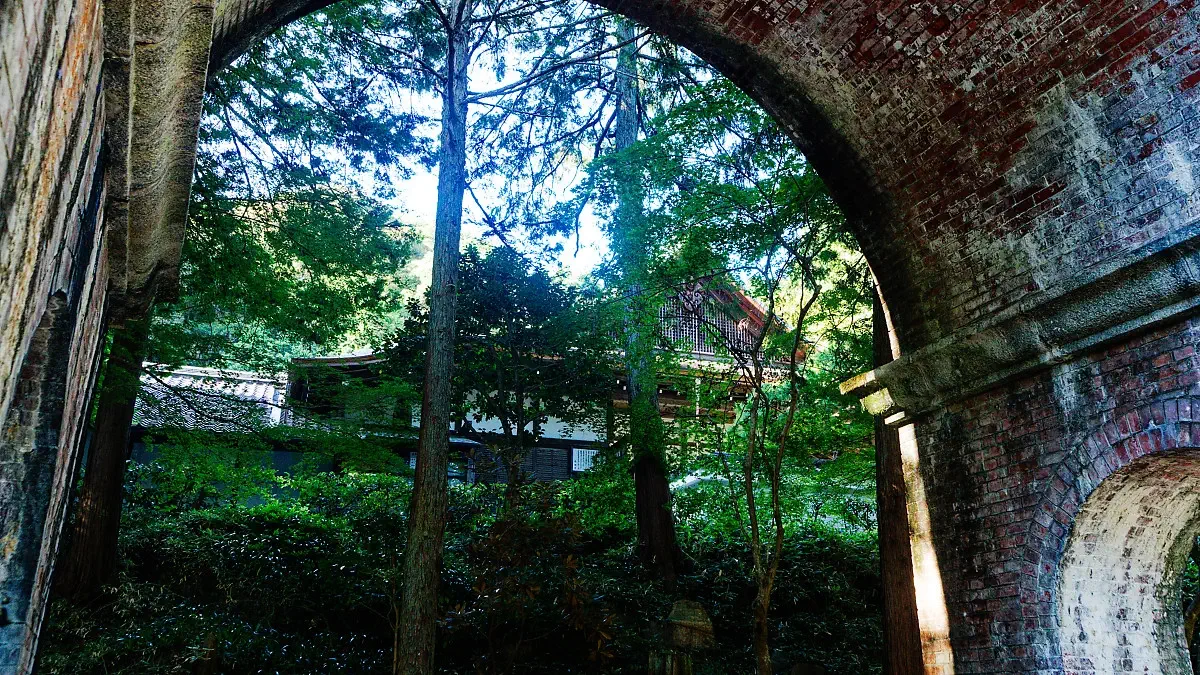
Image: 南禅寺水路閣(Suirokaku Aqueduct at Nanzenji Temple)
Japan’s cultural architecture often integrates foreign elements. Here, a Western brick aqueduct stands seamlessly within an ancient Zen temple, physically demonstrating a system that layers rather than overwrites.

Read More arrow_forward
Chapter 3. The Architecture of Silence — MA / Vide Signifiant (Traces of the Invisible) Part 2
↑Summary

Chapter 3. The Architecture of Silence — MA / Vide Signifiant (Traces of the Invisible) Part 2

Page • Vol. I Chapter 1 Part 2

Chapter 3. The Architecture of Silence — MA / Vide Signifiant (Traces of the Invisible) Part 2

Chapter 3. The Architecture of Silence — MA / Vide Signifiant (Traces of the Invisible) Part 2
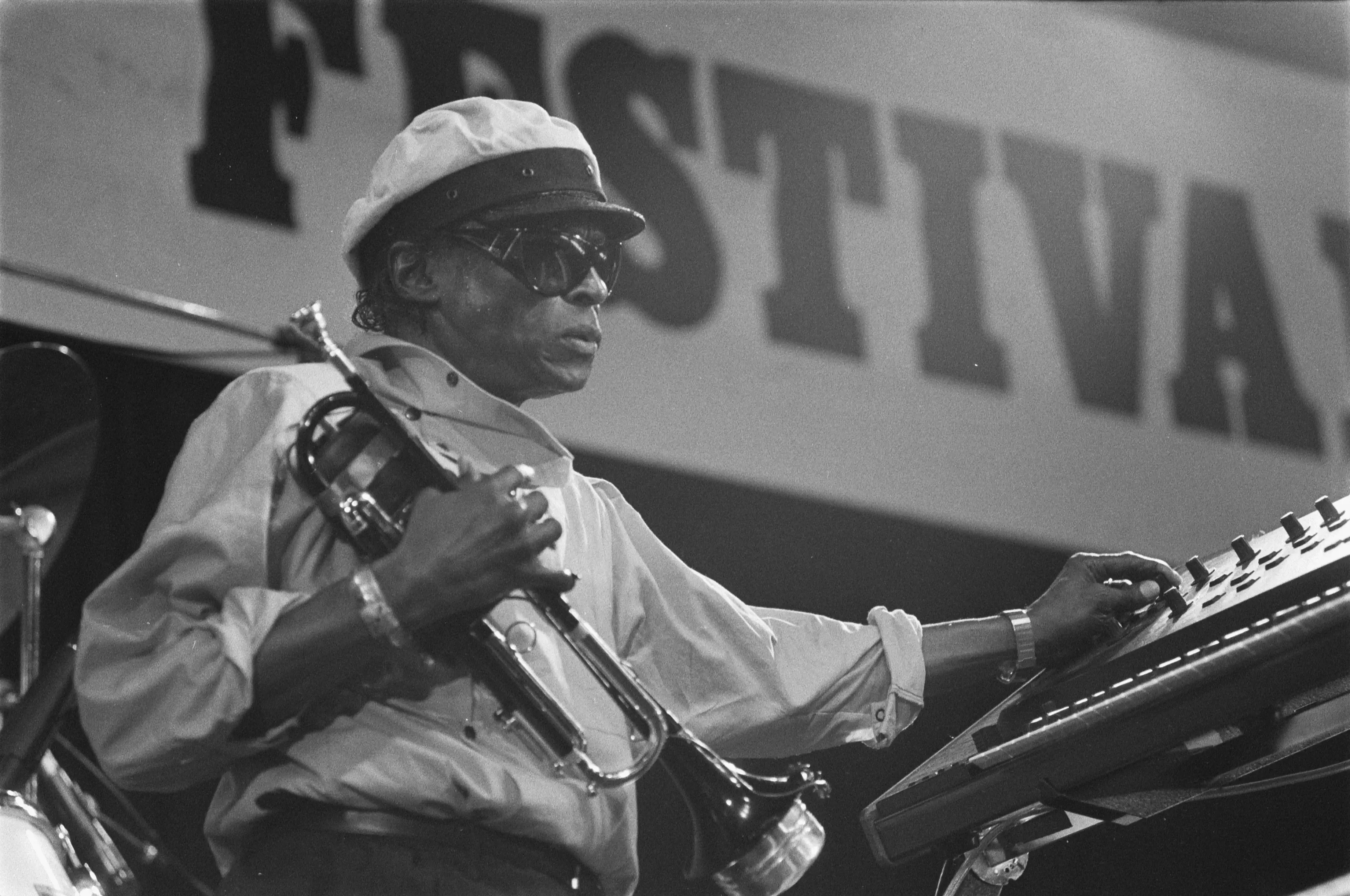
Drawing parallels with Miles Davis’s unplayed notes, this piece investigates how mastery relies on parsing unspoken pauses and spatial margins.


Image: Miles Davis at North Sea Jazz Festival
American trumpeter, bandleader, composer, and painter. He is among the most influential and acclaimed figures in the history of jazz.  (Public domain photograph - 1984 by The Algemeen Nederlandsch Fotobureau)

Read More arrow_forward
Anthology & Folios

Collected Volumes & Archives

Hover over a deck to expand chapters. Click to read.

Vol. I • Ch.1 Shinto as Cultural OS
3 Folios
Chapter 1. The Shintō OS – A Cultural Engine You Never Chose  Part1
Part 01 • ↑Summary

Chapter 1. The Shintō OS – A Cultural Engine You Never Chose Part1

Chapter 1. The Shintō OS – A Cultural Engine You Never Chose Part1
-- An invitation to see Japanese culture through the quiet architecture of Shinto as a cultural operating system.

 
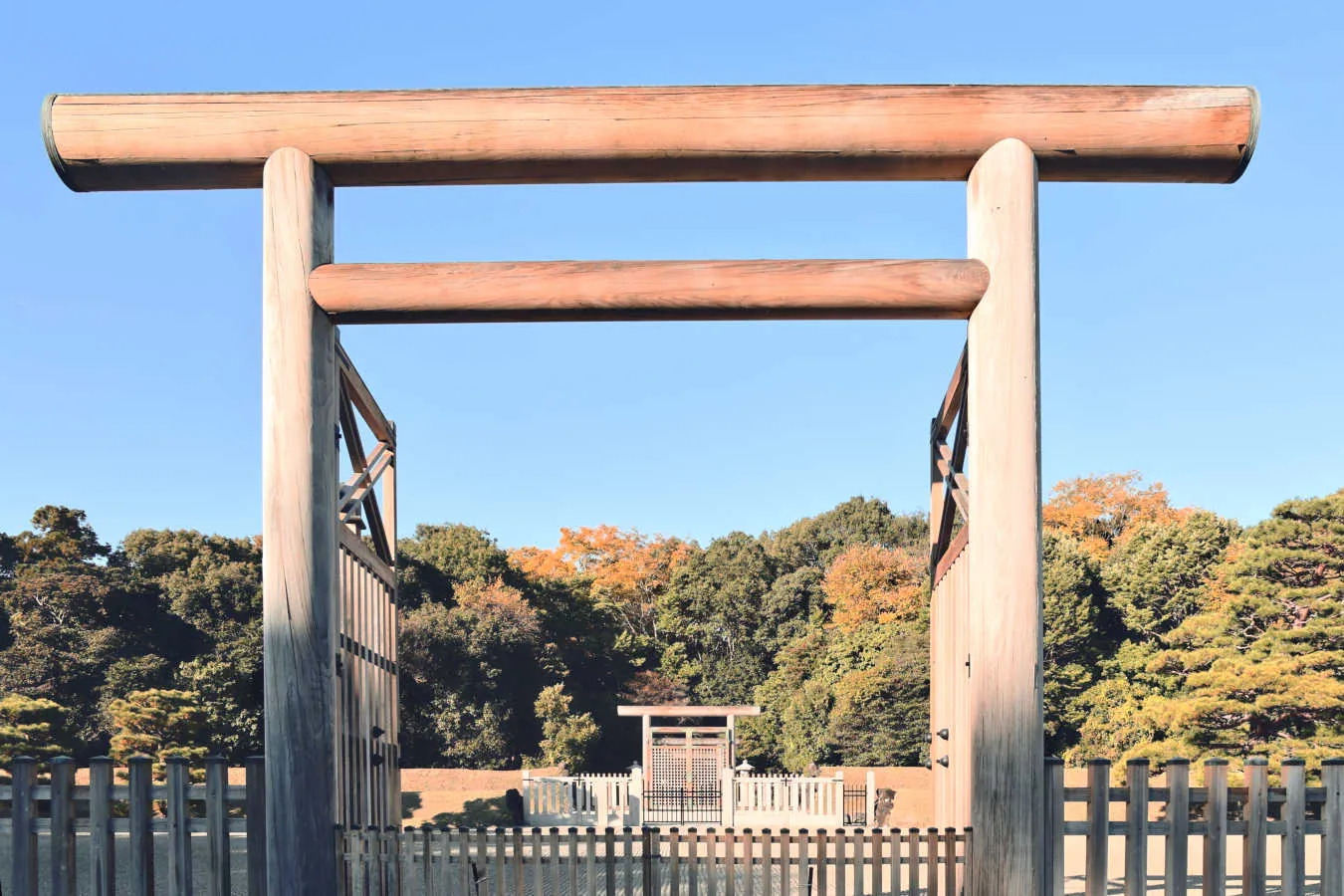
Image: 神武天皇陵 (A Site of Origins: Emperor Jimmu’s Mausoleum)
Believed to mark the resting place of Japan’s legendary first emperor. The entire mountain behind it, Mount Unebi, serves as a sacred natural sanctuary embodying the deity itself.

Read More arrow_forward
Part 01 ↑Summary

Chapter 1. The Shintō OS – A Cultural Engine You Never Chose Part1

Open — 5 min read
Chapter 1. The Shintō OS – A Cultural Engine You Never Chose  Part2
Part 02 • ↑Summary

Chapter 1. The Shintō OS – A Cultural Engine You Never Chose Part2

Chapter 1. The Shintō OS – A Cultural Engine You Never Chose Part2
Framing kegare as stagnation rather than sin, we find how Japan purifies disharmony while absorbing diverse foreign philosophies without conflict.
 

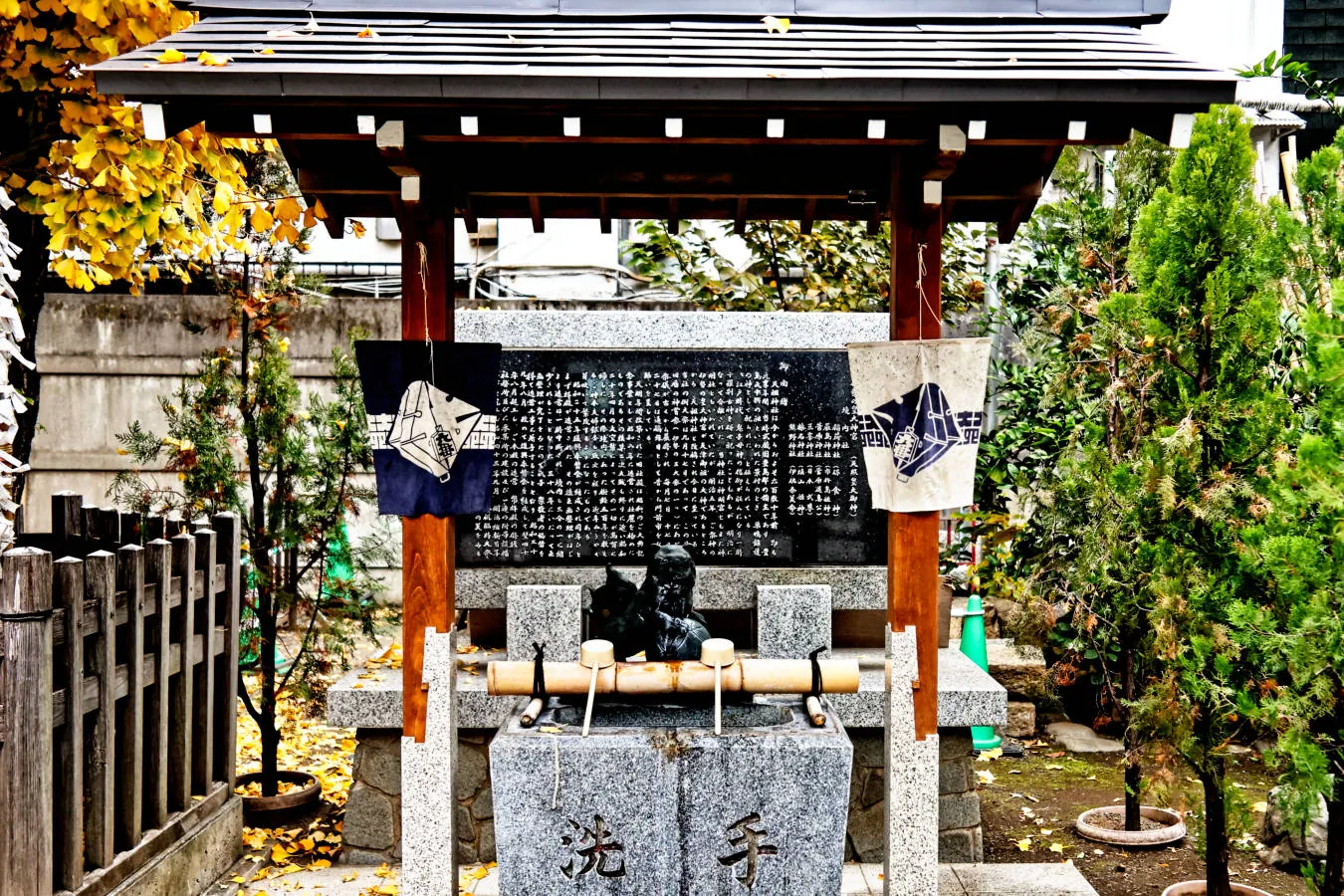
Image: 手水屋(Chōzuya)A purification pavilion at the shrine entrance
At the Chōzuya, visitors ritually cleanse their hands (and mind) before approaching the sacred object.

Read More arrow_forward
Part 02 ↑Summary

Chapter 1. The Shintō OS – A Cultural Engine You Never Chose Part2

Open — 4 min read
Chapter 1. The Shintō OS – A Cultural Engine You Never Chose  Part3 Special Episode
Part 03 • ↑Summary

Chapter 1. The Shintō OS – A Cultural Engine You Never Chose Part3 Special Episode

Chapter 1. The Shintō OS – A Cultural Engine You Never Chose Part3 Special Episode
Examining Pokémon as modern myth, this episode illustrates how Shinto animism, cyclical time, and restorative ethics create an endlessly enduring
 

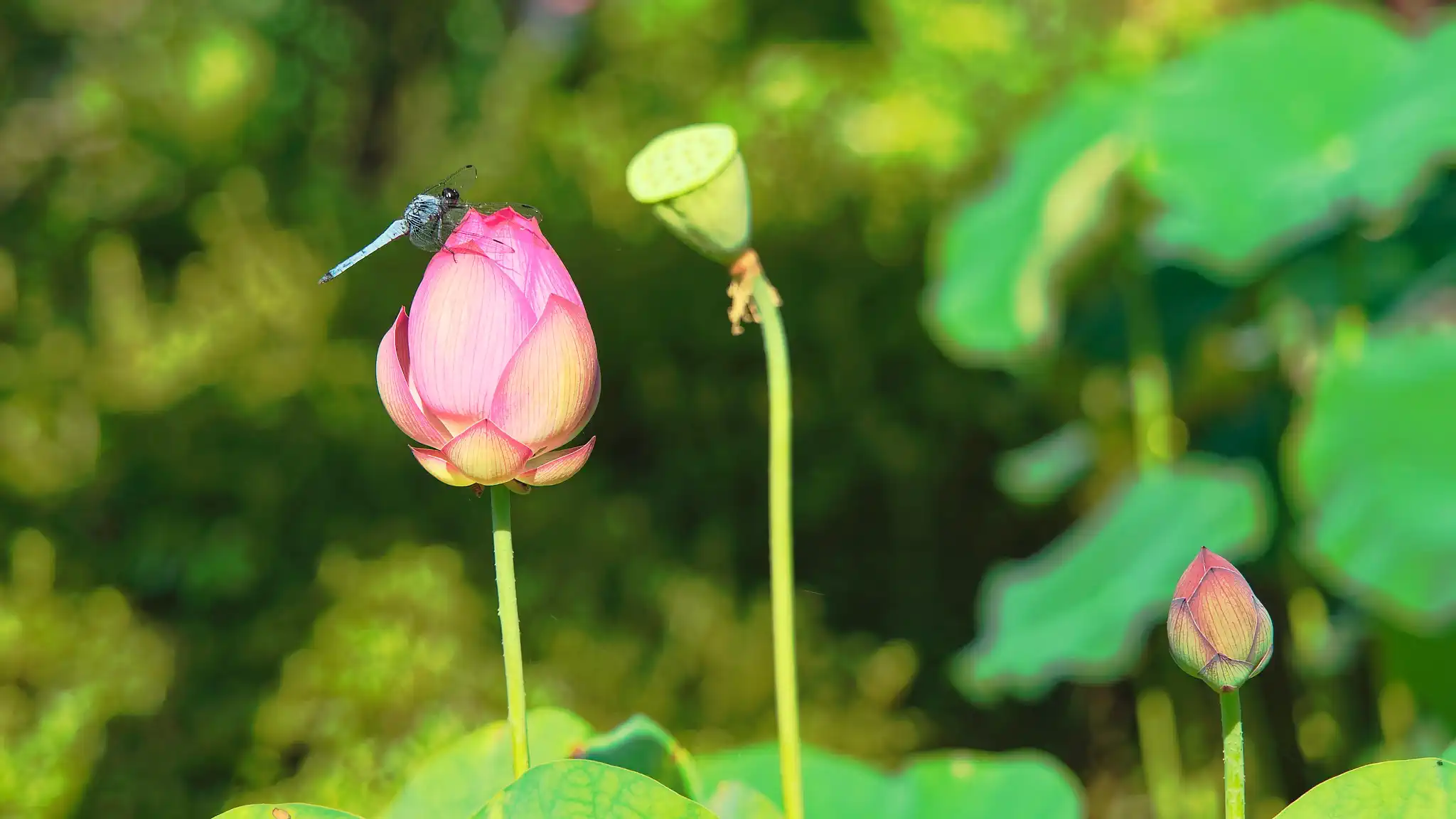
Image: A dragonfly resting on a lotus flower at 法金剛院(Hōkongōin Temple), Kyōto
During the summer, the temple’s gardens are specially opened to the public. The lotus flowers, planted beautifully across the pond and grounds, attract a vibrant gathering of insects, including butterflies, dragonflies, and bees.

Read More arrow_forward
Part 03 ↑Summary

Chapter 1. The Shintō OS – A Cultural Engine You Never Chose Part3 Special Episode

Open — 6 min read
Vol. I • Ch.2 The Code Beneath the Code
3 Folios
Chapter 2. The Code Beneath the Code - Before Rules, There Was a Way of Being Part1
Part 01 • ↑Summary

Chapter 2. The Code Beneath the Code - Before Rules, There Was a Way of Being Part1

Chapter 2. The Code Beneath the Code - Before Rules, There Was a Way of Being Part1
– Unpacking returned wallets and vigilantism, the contrast shows the dual nature of social air that enforces seamless order alongside suffocating.

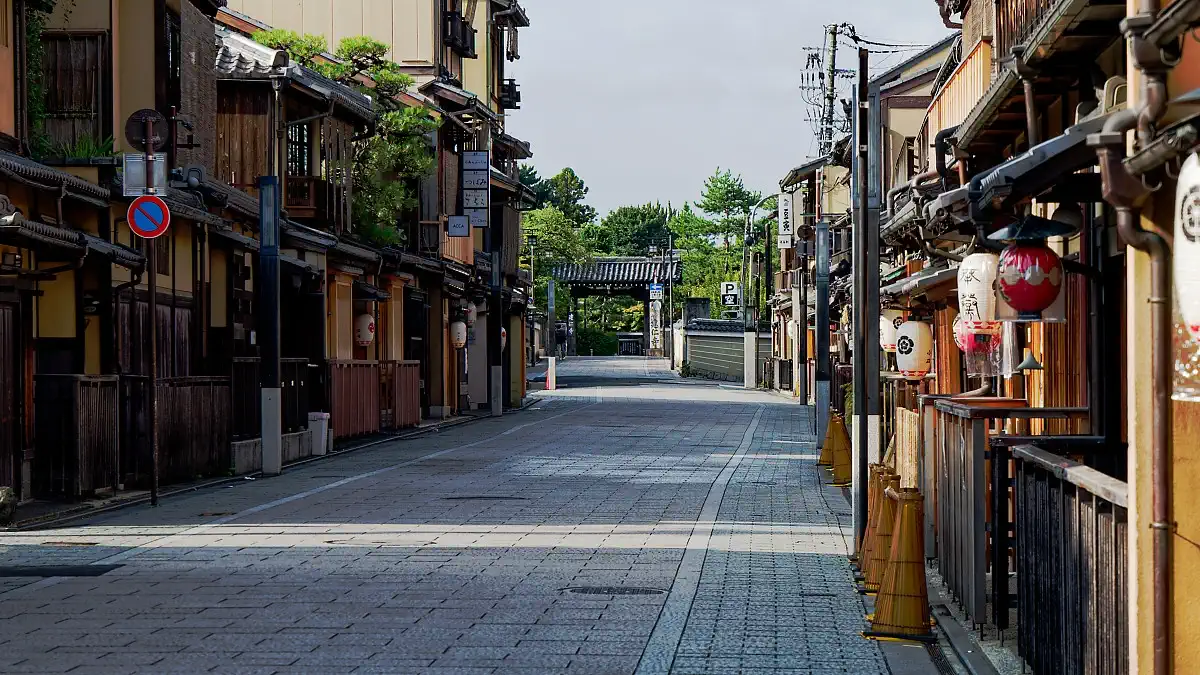
Image : 祇園花見小路(Gion Hanamikōji) at Dawn with a Perfectly Ordered Silence
As the heart of Kyōto's geisha districts, Gion Hanamikōji is a bustling town teeming with tourists photographing maiko by day, and a thriving social hub centered around ochaya (teahouses) by night.

Read More arrow_forward
Part 01 ↑Summary

Chapter 2. The Code Beneath the Code - Before Rules, There Was a Way of Being Part1

Open — 5 min read
Chapter 2. The Code Beneath the Code - Before Rules, There Was a Way of Being Part2
Part 02 • ↑Summary

Chapter 2. The Code Beneath the Code - Before Rules, There Was a Way of Being Part2

Chapter 2. The Code Beneath the Code - Before Rules, There Was a Way of Being Part2
Decoding Nitobe and Okakura, this part reveals how Meiji intellectuals tailored formal cultural attire to defend national legitimacy against Western scrutiny.


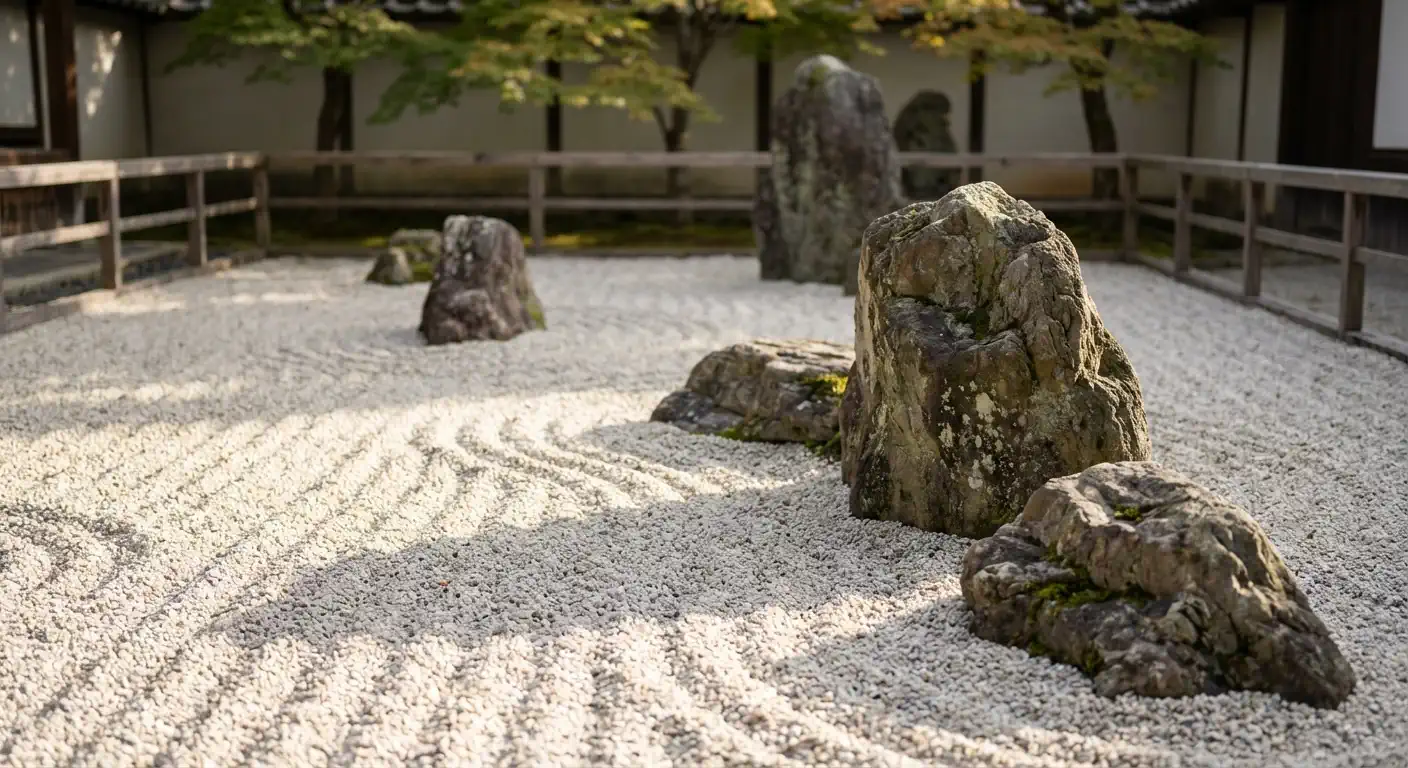
Image : 枯山水(Karesansui = Dry Landscape Garden)
A Zen garden expressing nature through raked sand and rocks. Ryōanji’s famous 15-stone layout, where one stone is always hidden, teaches finding contentment within imperfection.

Read More arrow_forward
Part 02 ↑Summary

Chapter 2. The Code Beneath the Code - Before Rules, There Was a Way of Being Part2

Open — 8 min read
Chapter 2. The Code Beneath the Code - Before Rules, There Was a Way of Being Part3
Part 03 • ↑Summary

Chapter 2. The Code Beneath the Code - Before Rules, There Was a Way of Being Part3

Chapter 2. The Code Beneath the Code - Before Rules, There Was a Way of Being Part3
Exploring the forbidden Hagakure, this essay reveals how absolute ego-surrender seamlessly coexists with a fiercely pragmatic art of organizational survival.


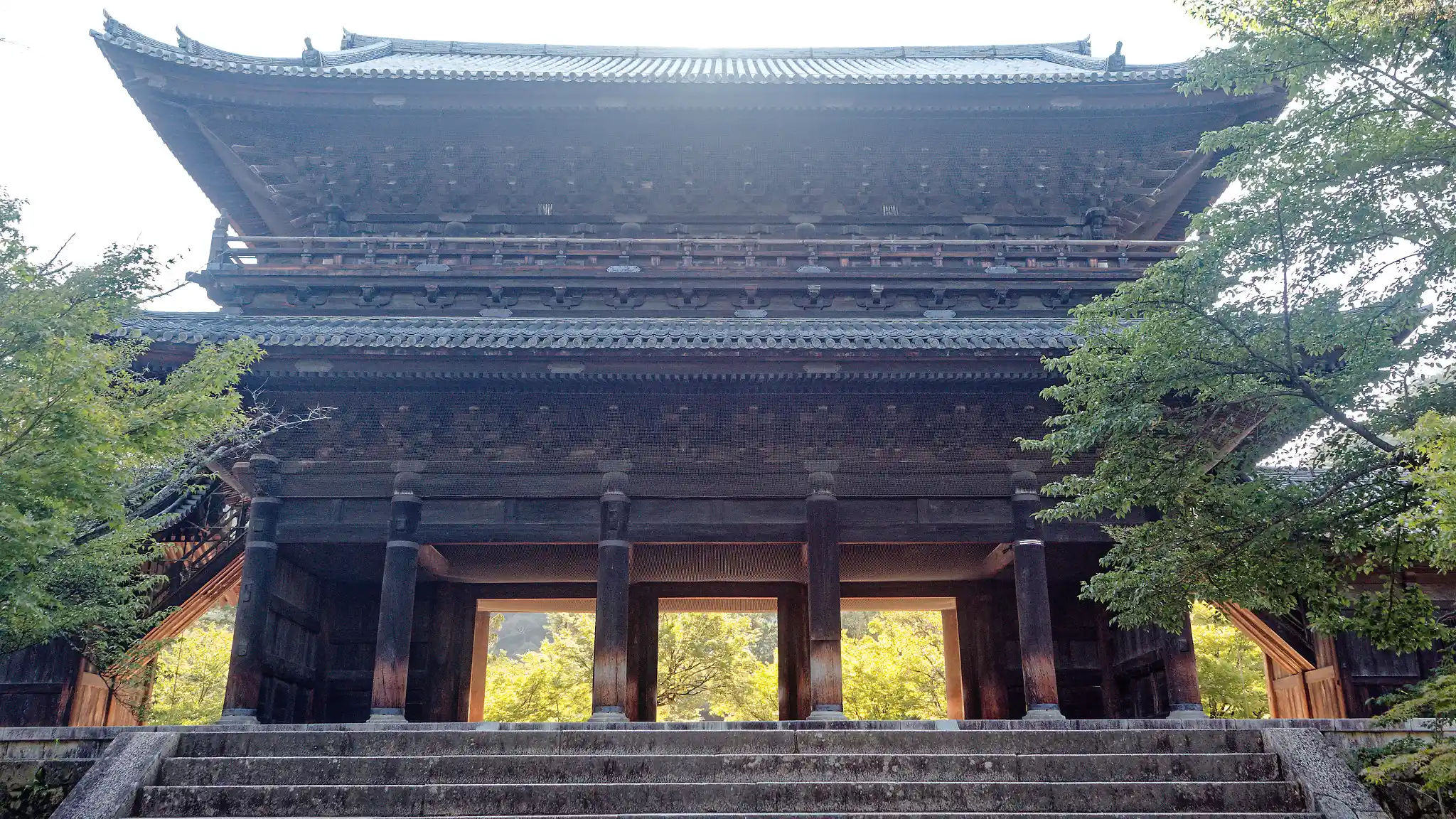
Image : View from 山門(Sanmon=Gate of The Temple)
Japanese temple gates (sanmon) act as spiritual thresholds, dividing the sacred interior from the mundane world. They stand as a symbol to cast off earthly desires before crossing into the sacred.

Read More arrow_forward
Part 03 ↑Summary

Chapter 2. The Code Beneath the Code - Before Rules, There Was a Way of Being Part3

Open — 6 min read
DISPATCHES FROM KYOTO

Receive Quiet Reflections

Quiet essays and photography from Kyoto, delivered only on nights of the new moon. Free subscription, unsubscribe anytime.

Strictly privacy conscious. No noise, only stillness.